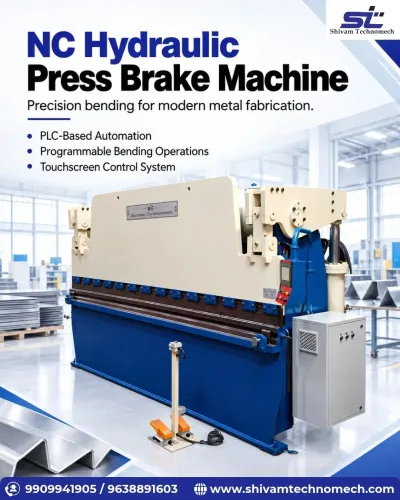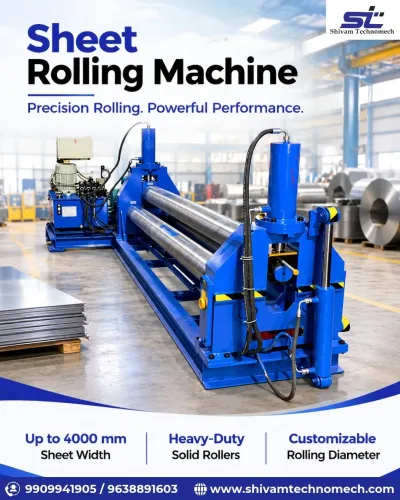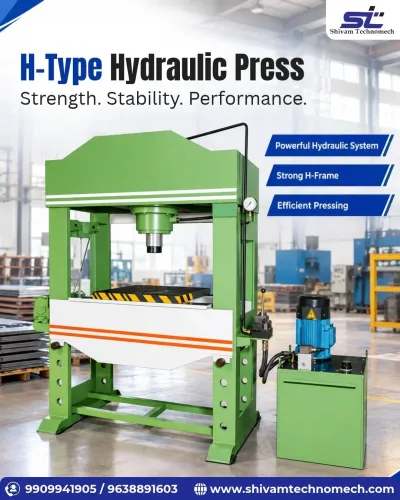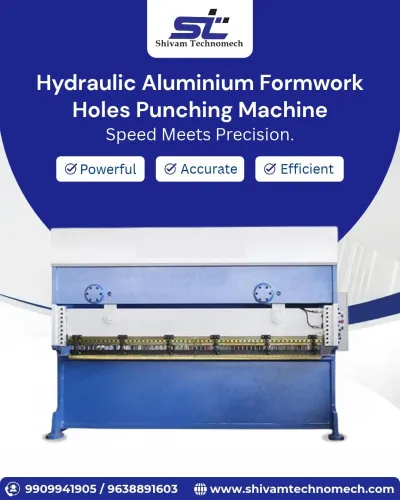
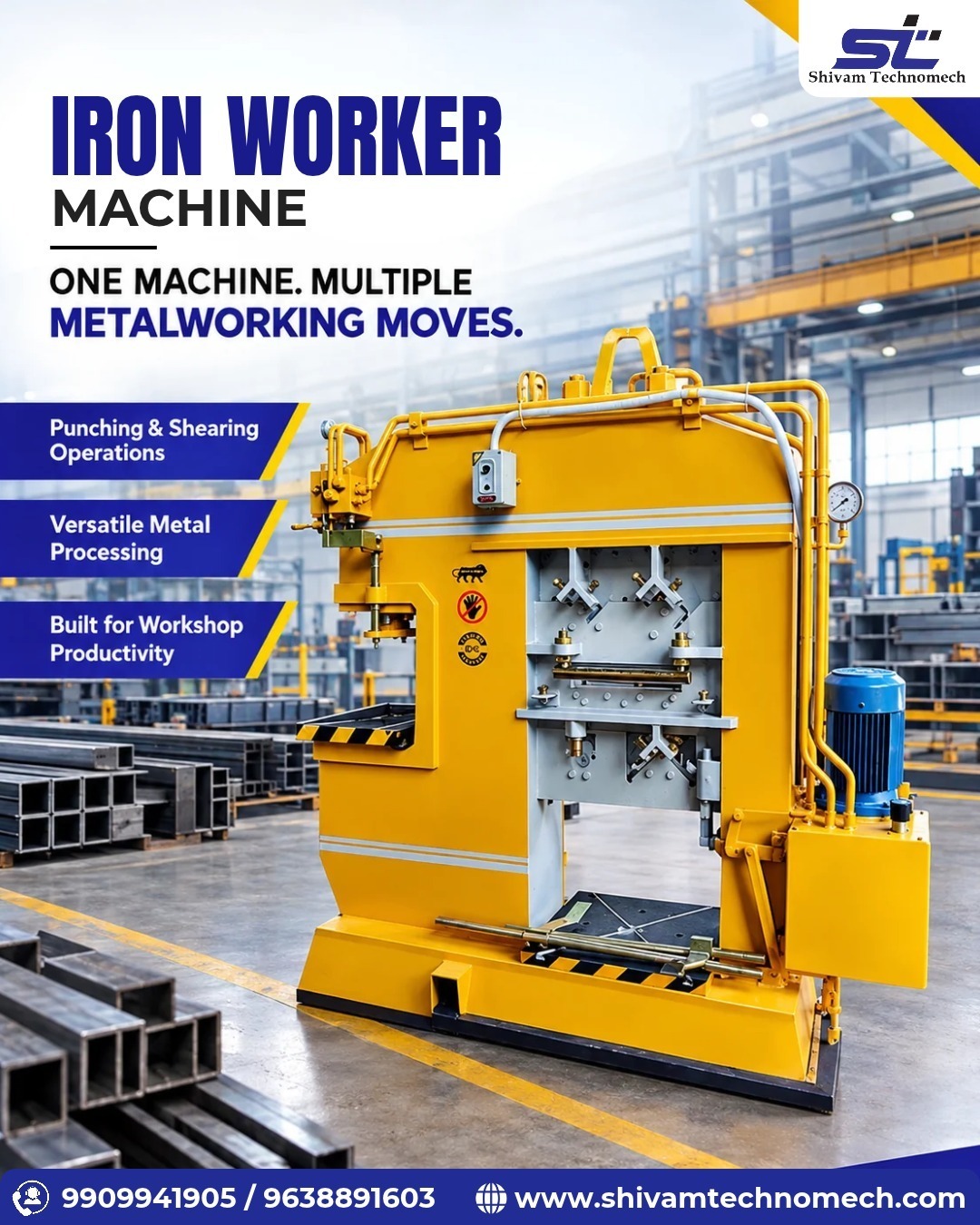
An Iron Worker Machine is essential equipment for metal fabrication workshops that need to perform punching, shearing, and cutting operations efficiently. By combining multiple metalworking functions in a single unit, it simplifies production tasks, reduces manual handling, and makes better use of workshop space. These machines suit various industrial applications, including structural fabrication, engineering, construction, and metal component manufacturing.
Shivam Technomech offers solutions for businesses seeking metalworking equipment for fabrication. If you are searching for an Iron Worker Machine Manufacturer in Ahmedabad, understanding the machine's functions, benefits, and selection criteria can help you identify equipment suited to your production needs.
What Is an Iron Worker Machine?
An iron worker machine is a multi-purpose metal fabrication machine designed to process materials such as metal plates, flat bars, angle sections, and other compatible profiles. Depending on its configuration, it can perform several operations using dedicated tooling and working stations.
A Hydraulic Iron Worker Machine uses hydraulic force to carry out operations such as punching and shearing. This setup lets operators complete different fabrication tasks with one machine instead of multiple separate units. As a result, workshops can organise their production processes more efficiently.
How Does an Iron Worker Machine Improve Productivity?
1. Handles Multiple Fabrication Operations
One key advantage of an Iron Worker Machine is its ability to support multiple metalworking tasks. Depending on the model, these operations may include punching holes, shearing flat bars, cutting angle sections, and processing metal profiles.
Having multiple functions in one unit reduces the need for materials to move between machines and supports a more streamlined workflow.
2. Supports Accurate Metal Processing
Precision is important when manufacturing metal components for assembly or structural applications. An iron worker machine uses suitable punches, dies, and cutting blades to process compatible materials according to the required dimensions.
Proper tooling selection, correct machine settings, and regular maintenance help maintain consistent results and reduce unnecessary material waste.
3. Helps Reduce Manual Work
Traditional metalworking methods may require considerable manual effort, especially for repetitive cutting and punching tasks. A hydraulic system supplies the force needed for supported operations, helping operators process materials with less physical effort.
This can improve workflow consistency and help fabrication teams manage recurring production requirements more effectively.
4. Makes Efficient Use of Workshop Space
Installing separate machines for different metalworking processes can increase equipment costs and occupy valuable floor space. A multi-functional iron worker combines several operations in one unit, making it a practical option for workshops that need to optimise their production area.
It can also simplify material handling and reduce unnecessary movement between workstations.
5. Supports a Range of Industrial Applications
Businesses looking for an Iron Worker Machine Supplier in Gujarat should choose equipment that matches their materials and fabrication needs. Depending on machine capacity, iron worker machines can manufacture metal brackets, frames, supports, structural components, and other fabricated parts.
These machines are useful in general engineering workshops, construction-related fabrication, industrial manufacturing, and metal processing facilities.
How to Choose the Right Iron Worker Machine
Before purchasing an iron worker machine, evaluate the following factors to make a suitable choice:
* Processing capacity: Check the maximum material thickness, dimensions, and cutting capacity.
* Required operations: Confirm whether the machine supports your punching, shearing, and cutting requirements.
* Hydraulic performance: Review operating force, motor power, and performance specifications.
* Tooling availability: Ensure compatible punches, dies, blades, and accessories are available.
* Safety arrangements: Check for appropriate guards, emergency stops, and operator-protection features.
* Maintenance support: Consider servicing requirements, spare-part availability, and technical assistance.
* Production volume: Select a machine that can accommodate your expected workload and operating schedule.
Working with an experienced machinery provider can help you compare available configurations and choose equipment based on your actual production needs.
Why Consider Shivam Technomech for an Iron Worker Machine?
When evaluating an Iron Worker Machine Manufacturer in Ahmedabad, buyers should review machine specifications, operational capabilities, tooling options, and after-sales service. Contact Shivam Technomech for information on available iron worker machine models and their suitability for specific fabrication applications.
Businesses looking for an Iron Worker Machine Distributor in India can also compare product availability, technical support, delivery arrangements, and service coverage before deciding to purchase.
International buyers inquiring about an Iron Worker Machine in Bhutan or Nepal should confirm export availability, shipping arrangements, installation support, and applicable warranty terms.
An Iron Worker Machine can improve metalworking productivity by combining multiple fabrication operations, reducing manual handling, supporting consistent processing, and helping workshops use their available space effectively. The right machine depends on material specifications, production volume, required functions, and maintenance considerations.
Contact Shivam Technomech to discuss available equipment and identify the best option for your fabrication needs. Whether you are sourcing machinery locally or exploring an Iron Worker Machine in Bhutan or Nepal, compare technical specifications and service arrangements before placing your order.
Contact Shivam Technomech today to enquire about iron worker machine options for your metal fabrication business.
Frequently Asked Questions (FAQs)
1. What is an Iron Worker Machine used for?
An iron worker machine is used for metal fabrication operations such as punching holes, shearing flat bars, cutting angle sections, and processing compatible metal profiles.
2. What are the benefits of a Hydraulic Iron Worker Machine?
A hydraulic iron worker machine uses hydraulic power to perform supported metalworking operations. Depending on its configuration, it can help reduce manual effort, combine multiple tasks, and improve production workflow.
3. Which factors should I consider before buying an Iron Worker Machine?
Consider material thickness, machine capacity, required operations, tooling compatibility, safety features, maintenance requirements, and the expected production volume.
Keywords